

Last August 2025, I first heard him on a podcast while I was out cycling, and I actually had to stop my bike to listen.
Today we welcome to Arian Edalat, the founder of Active Membranes. We both share a similar path; we both spent years on the ground, designing and operating desalination plants.
We’re launching a new podcast intro, starting with a short hook so you can quickly feel whether the topic or the vibe with the guest resonates with you, followed by our new high-energy music intro, courtesy of DJ Walid Khoury, and then straight into the conversation, workshop, or whatever the episode brings. Hope you enjoy it!
Working in desalination for over a decade, you tend to take the equipment for granted. You see a membrane as a fixed, passive tool.
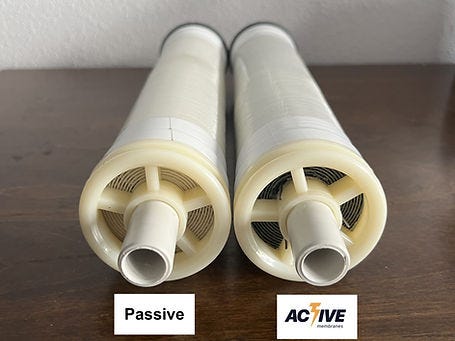
I wanted to have this conversation because it’s rare to find someone who looks at a forty year old technology and asks why it hasn’t truly evolved.
Moving beyond the passive piece of plastic
For decades, the desalination industry has been obsessed with energy efficiency.
We have perfected pumps and energy recovery devices, yet we have largely ignored the heart of the process: the membrane itself.
As Arian put it, we currently treat membranes like passive pieces of plastic. They sit there and hope you give them the best water quality possible.
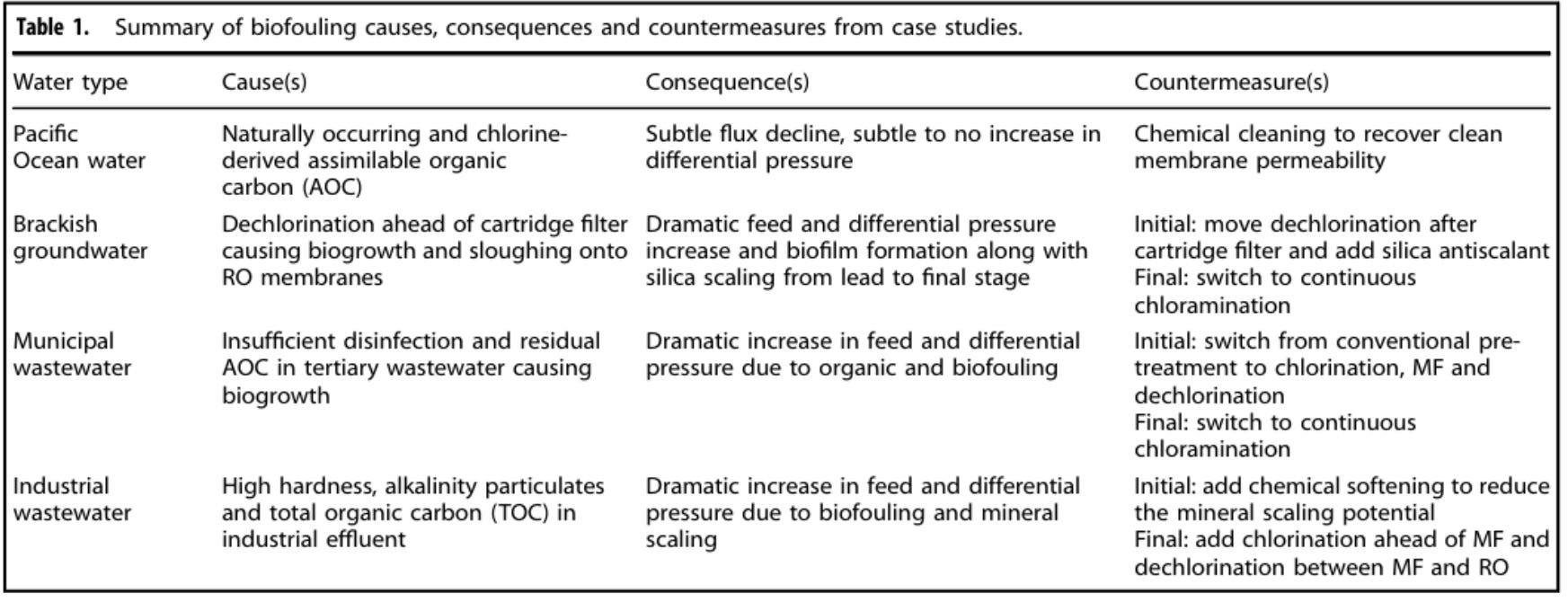
If the water isn’t perfect, the membrane scales or fouls. To prevent this, we build massive, expensive pretreatment systems.
Arian’s vision is to change the membrane from a passive barrier to an active participant.
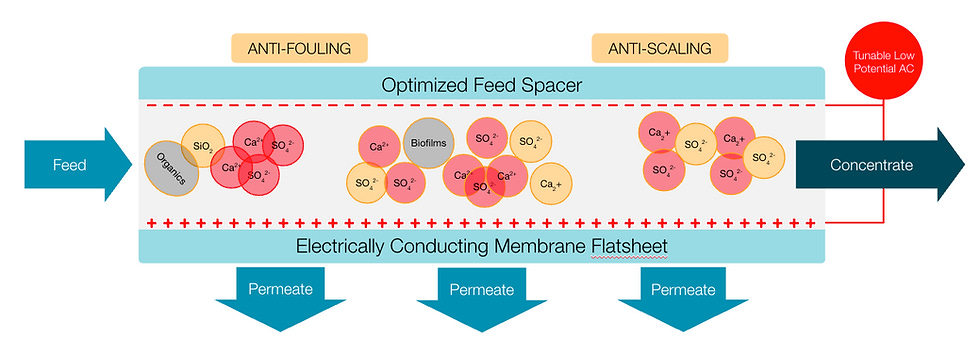
By making the membrane electrically conducting, we can essentially “talk” to it. This shift from passive to active is the core of his work.
I told him,
“You’d make my day if someone told me I could remove a big part of the chemicals and pretreatment in the desalination plants we’re currently designing and building… it’s such a source of headaches!”
The hidden costs of hand holding
One of the biggest takeaways from our talk was the idea of “hidden costs” in water treatment.
We often focus on the electricity bill, but the real pain for operators comes from fouling and scaling.
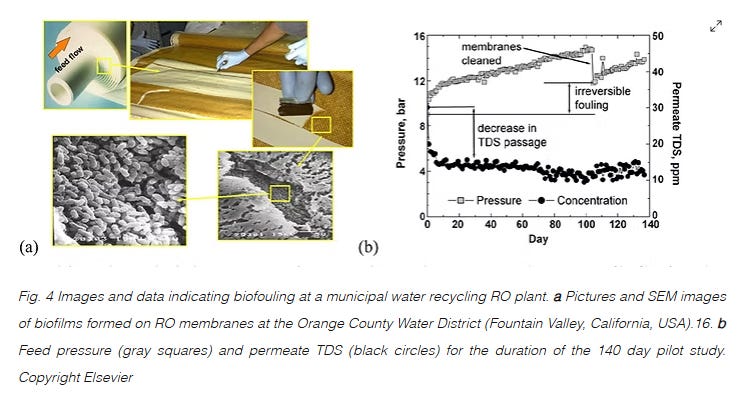
These issues lead to pressure surges, chemical cleaning, and downtime.
When a membrane is active and electrically charged, it can inhibit the nucleation of salts and the growth of bacteria on its surface.
This means fewer chemicals, fewer trucks on the road delivering those chemicals, and less “advanced laundry” for the operators.
By reducing the need for constant hand holding, the entire plant becomes leaner and more reliable.
Breaking the adaptation barrier
Arian shared a powerful perspective on why the desalination market is relatively small given the global water crisis.
Currently, the technology is so complex and expensive that only privileged regions can afford it.
He compared it to international calling years ago; it was expensive and rare. Now, because it is cheap and easy, we use it constantly.
If we make desalination simpler and more cost effective by removing the complexity of pretreatment, we lower the barrier for disadvantaged communities.
This isn’t just a business opportunity to grow a market from billions to hundreds of billions. It may be a moral necessity to ensure that arid regions in Africa and elsewhere can access fresh water without needing a massive, sophisticated infrastructure.
Startups are hard
A few days ago, we learned about Aquaporin’s bankruptcy. Arian shared very interesting words on LinkedIn that deserves analysis, and I leave it here for your reflection.
That underlines a serious issue with this industry: a disproportionate ratio of sideline experts to impactful doers.
Startups are hard.
There are many reasons a lot won’t succeed (26 according to Eric M.V. Hoek, Ph.D.) and one is technology.
Mass adoption is ultimately the holy grail and without forward looking and innovative end users who take the risk and give new technologies an install base, new companies inevitably fail to survive.
Let us remember that at the heart of every startup there are ambitious and forward thinking teams and individuals who have put the best of their years as well as hopes and dreams on the line to make an impact.
Ultimately, I consider this a very bad day for this industry and hope the technology behind Aquaporin survives and ultimately succeeds and my heart goes out to everyone associated with it.
Because we need more success stories in water.
So perhaps next time when we see an emerging technology, instead of criticizing them to oblivion, let’s think of and offer ways to help them succeed.
Closing reflection
Nature never filters water passively. Think of mangroves or the cells in our own bodies; they use electrical signals and active processes to move fluids and minerals.
Why have we waited so long to apply that same logic to our industrial systems?
Are there other parts of your work where you are relying on a “passive” solution that could be made “smart”?
3 years ago, a CEO in the water industry pushed back on innovation, saying me something like:
“Let’s focus on collecting the low-hanging fruit and harvesting what we’ve already planted instead of disrupting so fast.”
I feel this is also a barrier, especially when some short-term business returns carry so much weight today.
I leave this conversation wondering if we are sometimes too comfortable with the “standard” way of doing things.


