

Can you imagine living in a place where drought isn’t the exception, but the rule?
Before watching the episode, I recommend reading the information below. I am increasing the level of research on each topic, and from now on, you will probably notice it. The conversations are easier to follow and understand if you first read these reflections. That creates the perfect combination for knowledge transfer. And, as always, you can join the Q&A through our chats.
We have the pleasure of hosting Jess Bohorquez, a water professional and the creator of the podcast Our Water Connection. Jess moved from Colombia to Australia over eight years ago to pursue a PhD in civil engineering and now works as an asset planning consultant in South Australia.
I wanted to have this conversation because Australia is often cited as a global leader in water management.
Also, I’m finding clues that Southeast Asia and the Pacific may become one of the most promising markets for water-related business in the coming decades. This will be explained in more detail when the time comes.
This episode is special, as Jess recently announced that she is putting the third season of her podcast on standby for personal reasons. I will share my thoughts about this next Tuesday on LinkedIn through a dedicated article.
Now, let’s learn about how Australia manages water.
Context
The water sector often operates in the background. Most people only think about their taps or drains when something goes wrong. This “backstage” nature of our work makes it difficult to attract new talent and secure the funding needed for long-term projects.

Australia, being the driest inhabited continent on Earth, serves as a high-stakes laboratory for these issues. By understanding how they manage extreme variability and how professionals like Jess are working to break down industry silos, we can learn how to better communicate the value of water in our own regions.
What a country
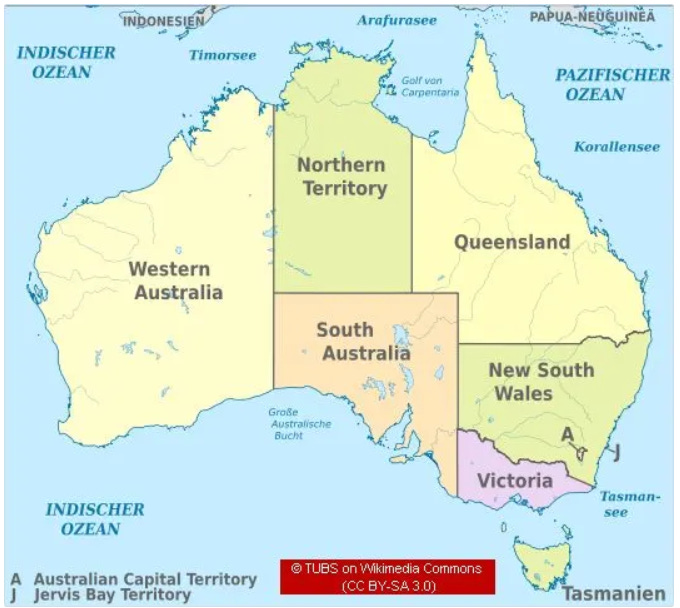
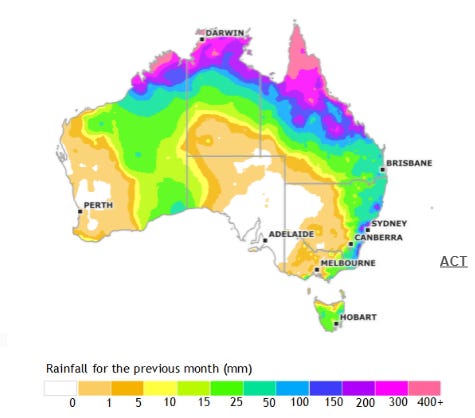
Let’s take a look. Australia is divided into different states. Our guest is from South Australia. You can see the white area in precipitation maps—dry as hell!
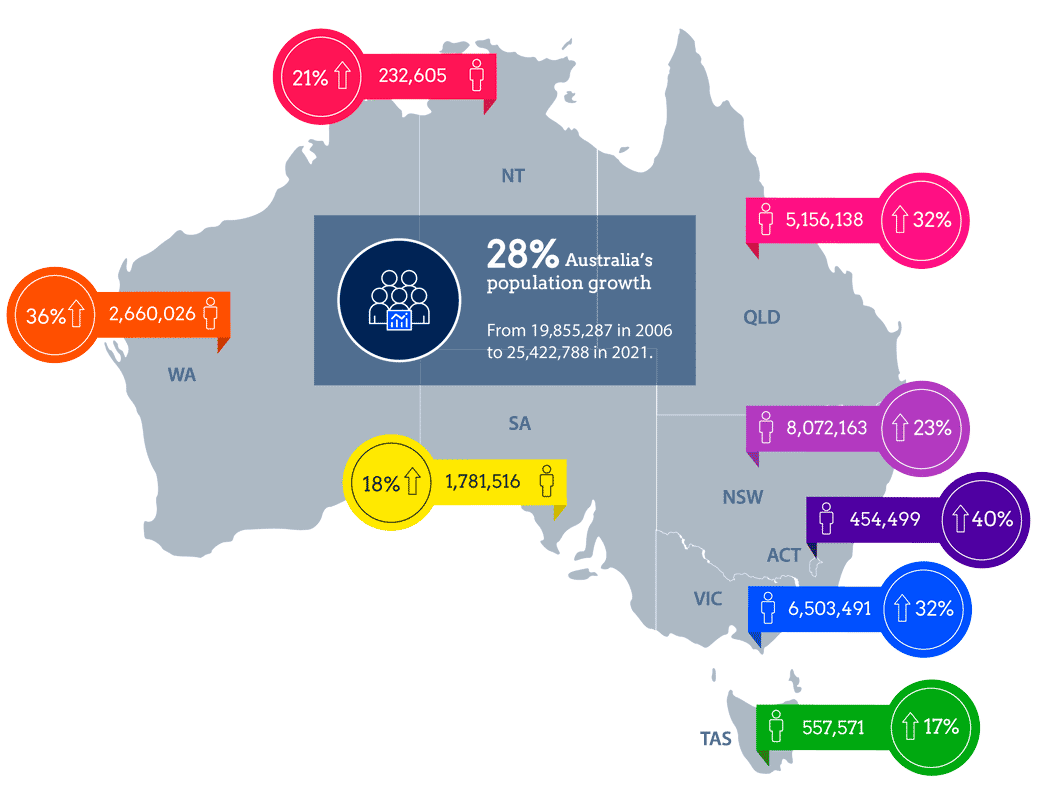
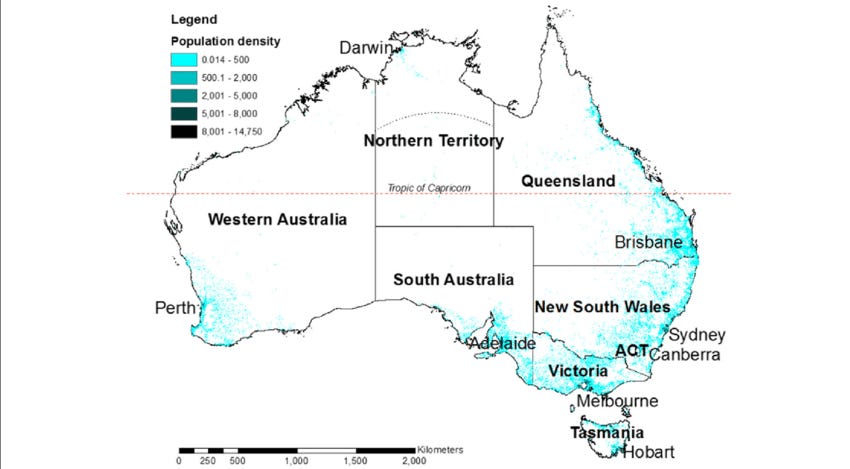
The population is important: where do people live, how are they growing, and what is the forecast? This analysis covers 2006–2021. East coast represents the majority.
Currently:
Australia’s population surpassed 27.5 million by mid-2025 and continues to grow.
Projections based on statistics forecast that Australia’s population could reach between 34.3 million and 45.9 million by 2071, depending on fertility, migration (from India, China, and other locations in South Asia), and mortality assumptions.
This is the perfect storm: population increase, water scarcity, climate resilience needs, aging infrastructure…
You’ll see later that some companies are making interesting moves.
Utilities
There are more than 80 utilities in Australia, but the major ones are summarized here.
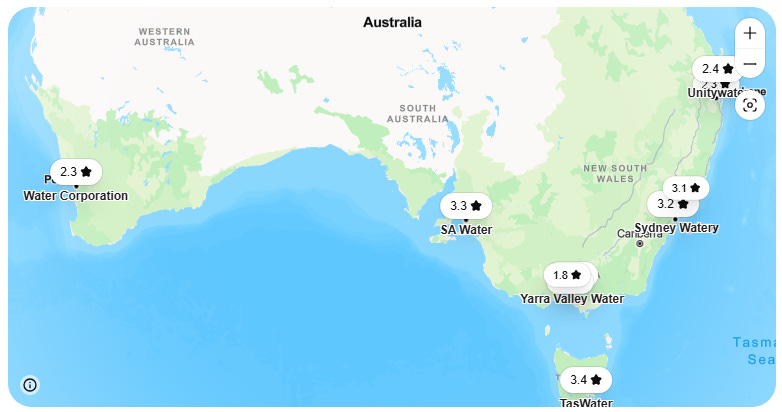
I want to share some info about Sydney Water and Yarra Valley Water.
I find the level of quality in these utilities particularly impressive. Can you believe it is easier for me to get feedback from Sydney Water (they supported me in researching water recycling facilities, as you can see below) than from my own local utility?
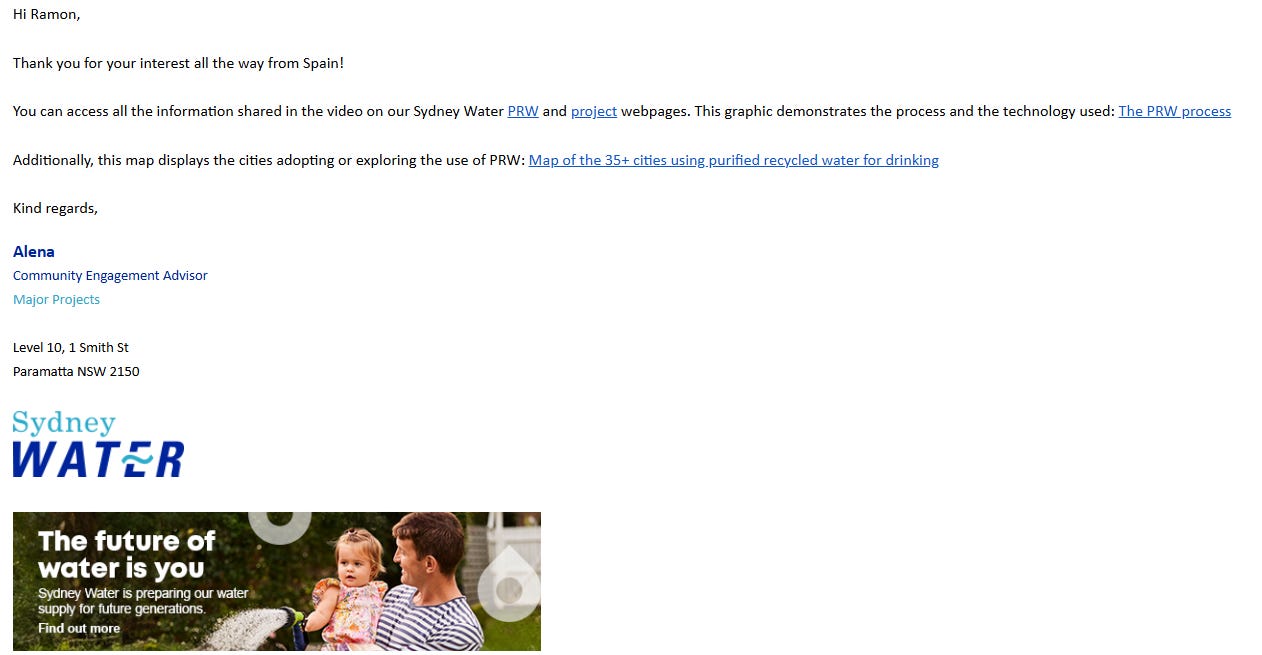
Sydney Water stands as the largest water utility in Australia, serving approximately 5.6 million people. As a state-owned corporation, its operations are pivotal to the economic engine of New South Wales.
The utility operates in a disaggregated market structure, purchasing raw water from the state’s bulk provider, WaterNSW, and treating it before delivery to consumers.
The utility manages over 42,000 kilometers of combined water and wastewater pipes, a distance nearly equivalent to the Earth’s circumference.
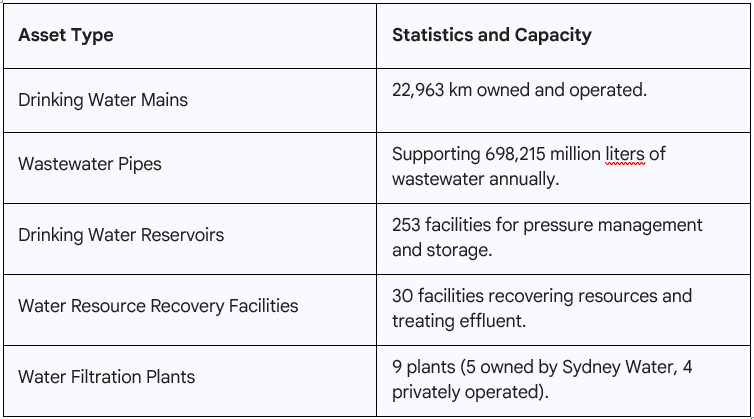
The network also includes the Sydney Desalination Plant, a privately owned facility that provides a climate-independent source during drought periods.
In 2022–23, the use of desalinated water in Sydney nearly tripled compared to the previous year due to deteriorated surface water quality caused by significant flood events.
Sydney Water’s leakage management is a critical component of its operational excellence.
The utility reported 16.8 water main breaks per 100 km of mains in 2023–24, which is within the range of major Australian utilities.
To mitigate non-revenue water (NRW), the utility is expanding its use of acoustic sensors and digital twins to detect leaks before they result in catastrophic bursts (similar approach to our next utility described later).
Last week, the Australian Smart Water Utilities event took place, bringing together utilities, technology providers, and industry leaders to discuss some of the hottest and most pressing topics in the water sector today. Digitalisation, smart networks, AI-driven analytics, leakage reduction, asset health, energy efficiency, and customer engagement were at the centre of the conversations, reflecting how rapidly the sector is evolving in response to climate stress, population growth, and aging infrastructure. The event highlighted not only where the industry is heading, but also how quickly these challenges are becoming mainstream priorities for water utilities. I’ll explore these themes in much more detail in a separate essay.
The future of Sydney Water is articulated in its Long Term Capital and Operational Plan (LTCOP), which outlines a 25–30 year roadmap. The goal is to create a resilient, multi-source water system that can withstand 1-in-100,000-year drought scenarios identified in recent modeling.
Now let’s move to Yarra Valley Water (YVW). They were featured on the front page of the latest edition of Smart Water Magazine.
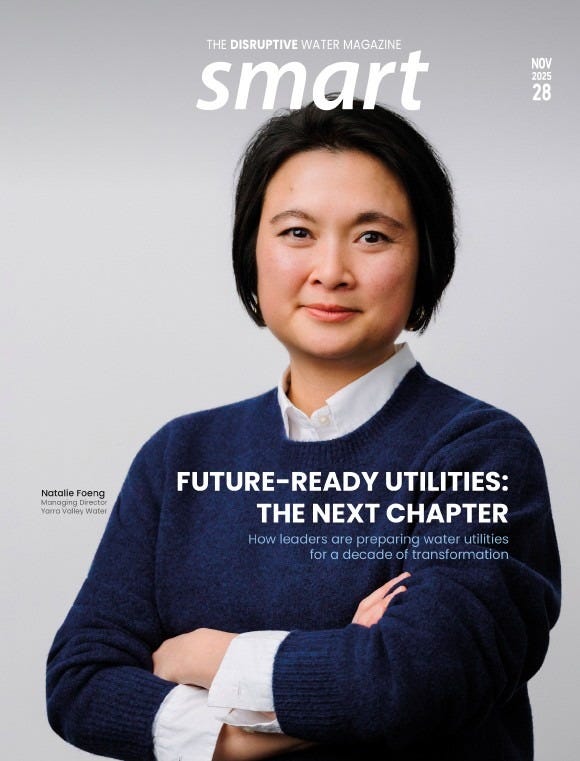
YVW has historically struggled with a loss rate exceeding its ambitious targets. In 2023–24, the utility reported a water loss rate of 10%, missing its target of 7.8%.
This is attributed to the difficulty of detecting leaks in clay soils (this type of soil tend to expand and leads to higher pipe burst) and the aging network.
To combat this, YVW is aggressively rolling out digital water meters and exploring the use of artificial intelligence for predictive maintenance, investing $2.6 billion into its network between 2023 and 2028.
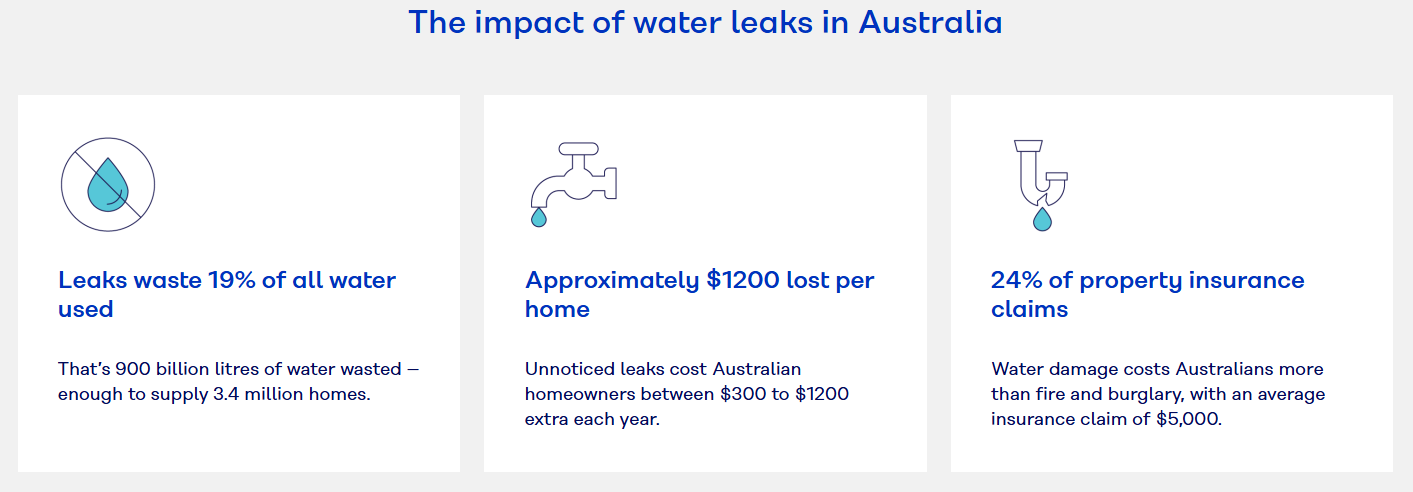
By integrating AI data loggers and acoustic tools, YVW can now “hear” leaks and bursts before they escalate into major failures, saving both water and money. This real-time data allows the utility to make better-informed decisions about maintenance, effectively extending the life of their 21,500-kilometer network.
The utility has transitioned from a traditional water provider to a “climate leader” dedicated to the health and well-being of over two million Melburnians.
One of the most striking examples of YVW’s innovation is the Wollert Food Waste-to-Energy Facility.
This circular economy hub takes food waste—over 200,000 tonnes since 2017—and converts it into renewable electricity. The power fuels the facility itself, nearby water treatment plants, and even a community farm.
A second facility in Lilydale will further expand this capacity, producing 39,000 kWh of clean energy daily.
YVW is on track to achieve net-zero years ahead of government requirements.
Almar Water strategic move
In 2023, Almar Water Solutions made a definitive move into Australia by acquiring a majority stake in Aqualyng Australia, a firm with over 15 years of experience in water treatment and reuse solutions.
By 2025, the company completed its integration by formally rebranding as Almar Water Solutions Australia, signaling a long-term commitment to the national water sector.
The decision to enter the Australian market seems driven by several factors, that are aligned with our research as you can see:
Acute Water Challenges: Australia’s unique geography and climate extremes—including droughts, bushfires, and floods—create an urgent need for reliable water resources
Market Opportunity: Population growth and industrial expansion make it fertile ground for water innovation.
Strategic Synergies: The acquisition allowed Almar to combine global expertise with Aqualyng’s local experience and client base in mining, power generation, and municipal utilities.
When companies like this move, there must be unseen opportunities.
Another big player securing new deals is Veolia, as shown below:
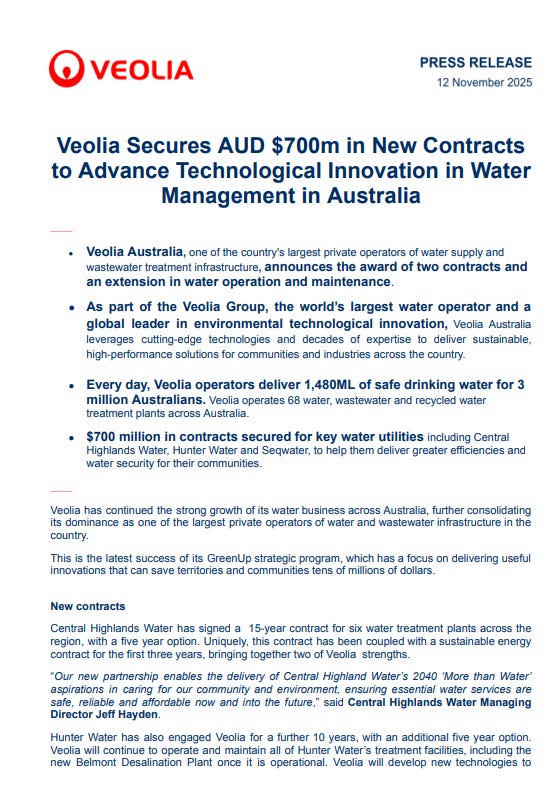
Reading all this helps understand why Australia seems promising for water business and partnerships for decades to come.
Major water infrastructure
Key “non-conventional” water infrastructure examples in Australia:
Purified Recycled Water (PRW)
Wastewater treated to a standard that allows reuse, sometimes returning it to the drinking water cycle, in the next steps:
Step 1: Home, business and industry
Water is used in kitchens, showers, toilets and washing machines.
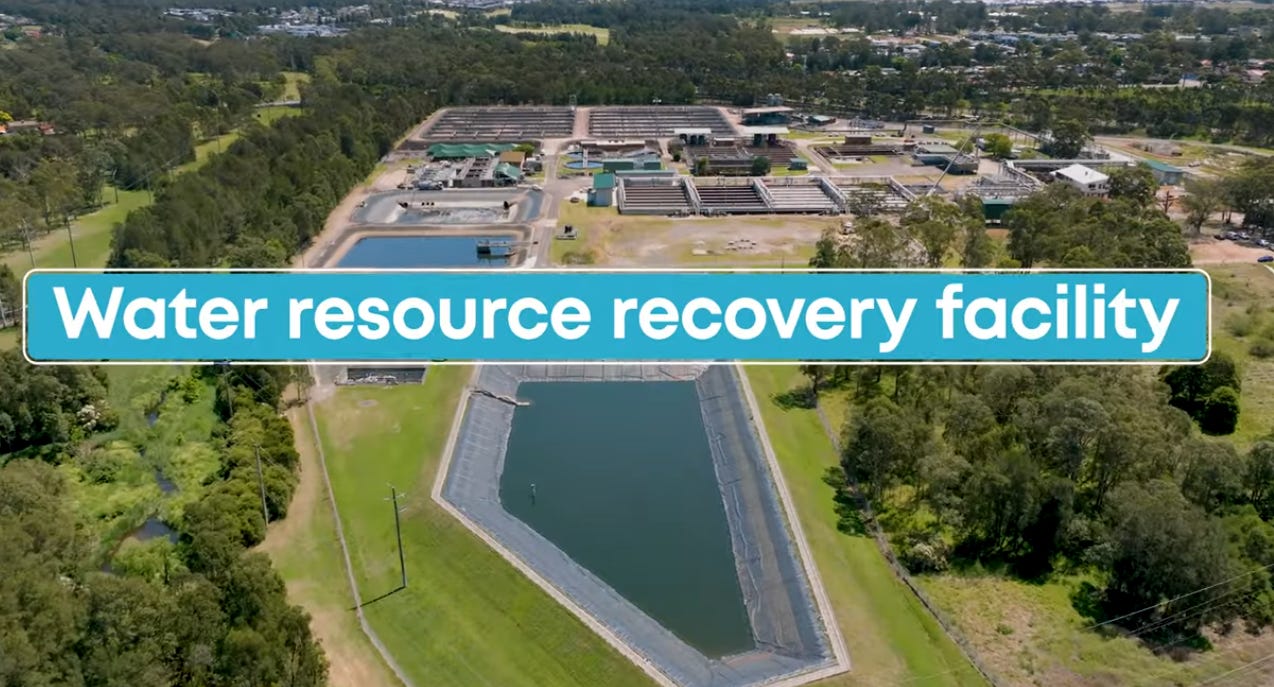
Step 2: Water resource recovery facility
Wastewater is treated through multiple processes to produce recycled water.
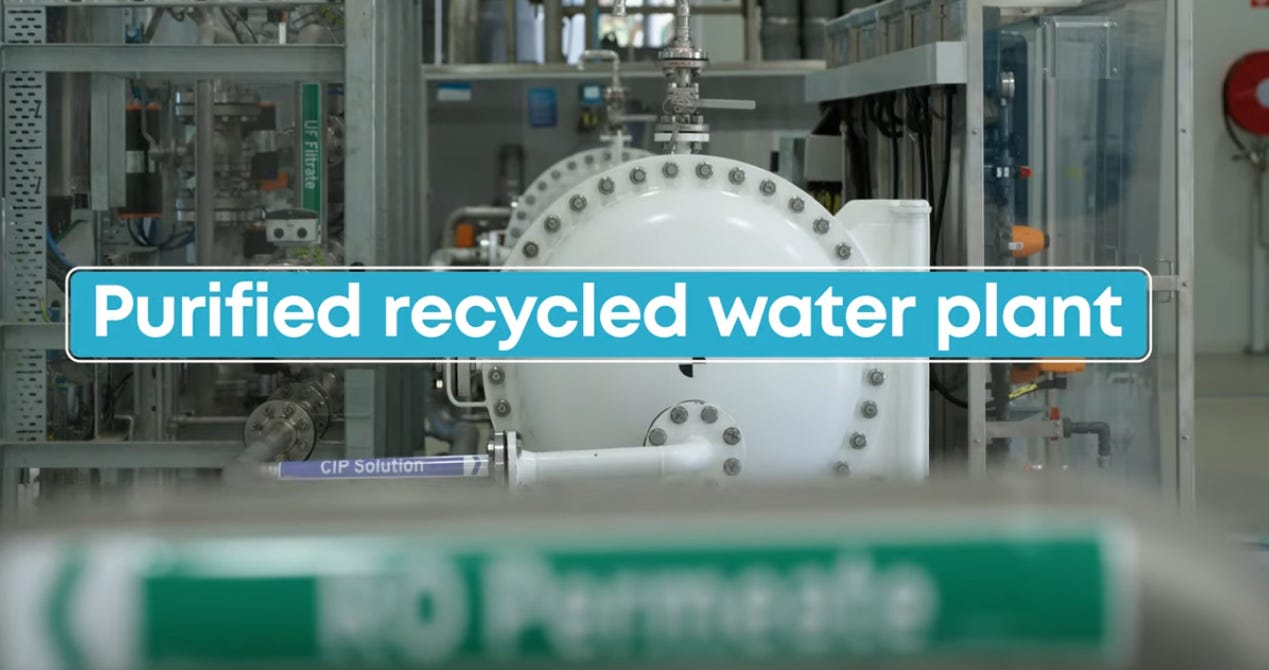
Step 3: Purified recycled water treatment process !!
Ultrafiltration removes microorganisms, suspected particles and large molecules.
Reverse osmosis removes viruses and most chemicals.
UV disinfection and advanced oxidation eliminate any remaining microorganisms.
Chlorination ensures both the water and pipes are free from any remaining microorganisms.
Step 4: Dams and reservoirs
PRW is returned to a dam or river and mixed with raw water (aka as Indirect Potable Reuse)
Step 5: Water filtration plant
Water is then filtered and chlorinated before it’s added to the drinking water network. As usual. This water meets the Australian Drinking Water Guidelines.
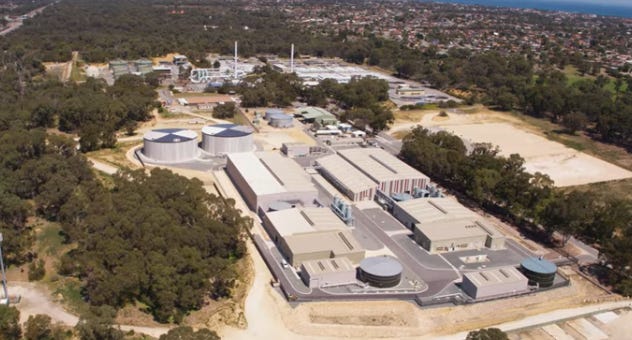
Groundwater Replenishment Project
Similar approach to the famous US California’s Orange County Scheme, used to combat aquifer depletion and improve water storage underground.
Located on Perth.
Treated wastewater is purified to drinking water standards at an advanced water recycling plant (AWRP) and then pumped (recharged) underground.
This purified recycled water is stored in deep groundwater aquifers, which provide additional natural filtration of the water until we need it.
It doesn’t rely on rainfall and has the potential to recycle large volumes of water.
Currently, groundwater replenishment makes up 5% of their Integrated Water Supply Scheme.
Our talk with Jess
So now you can watch the conversation, Jess’s journey shows how diverse the water sector is. She began in fluid mechanics and machine learning for leak detection, then moved to high-level asset planning, helping utilities decide which massive infrastructure projects are worth investing in.
One key takeaway is the importance of pre-feasibility work, exploring every option early so projects move forward with clear, defensible strategies.
Jess started her podcast because the industry is fragmented. Even professionals struggle to follow conversations outside their specialty. She solved this by sitting down with experts, asking basic questions, and recording the discussions.
Starting this type of initiative can be overwhelming, learning scripting, recording, finding sponsors, while working full-time.
But the reward is the “compounded interest” of knowledge. Every conversation adds to the last, eventually giving a broad, holistic view of the business.
We talked about the fact that Australia’s water management was largely shaped by the Millennium Drought of the late 1990s and early 2000s.
This severe event led to major desalination plants in Adelaide and Perth, which act as insurance, expensive to run but providing a climate-independent backup during dry spells.
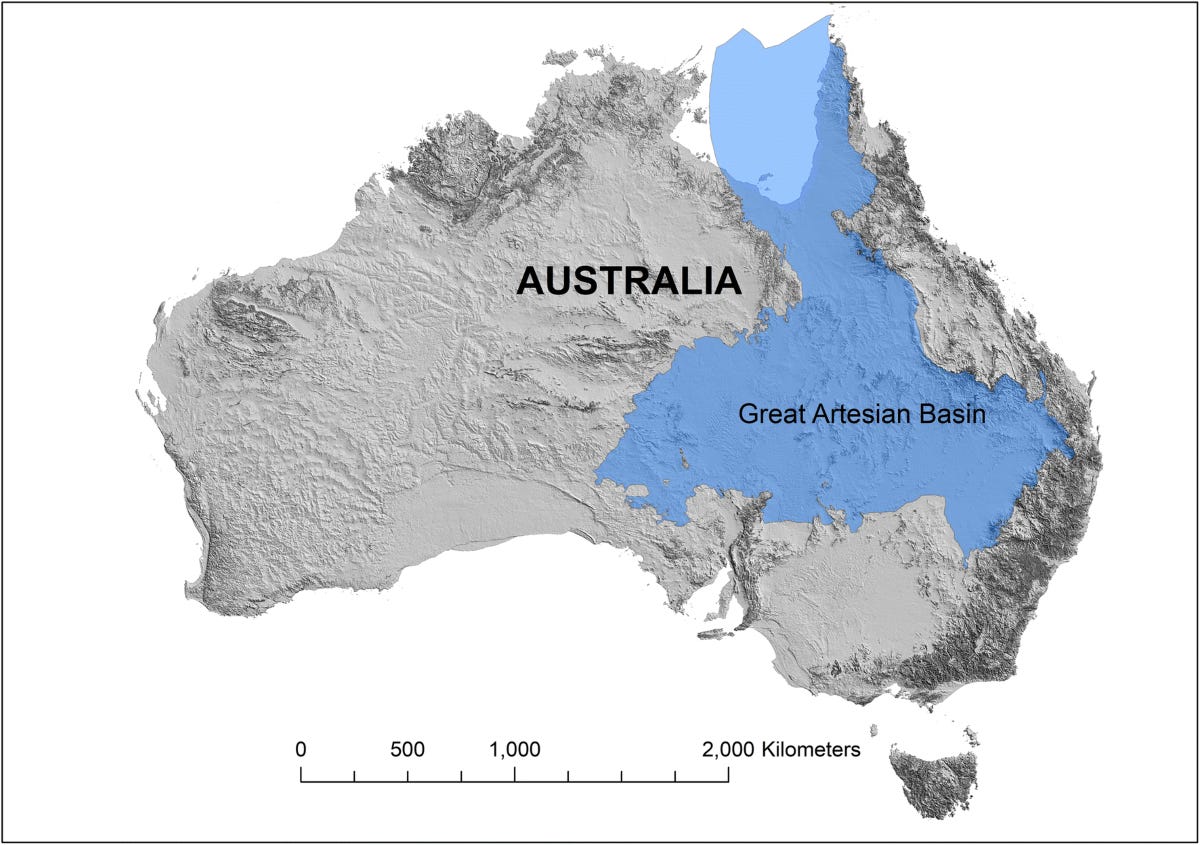
The Great Artesian Basin, one of the largest groundwater systems in the world, serves as a lifeline for remote communities and industries, showing how geography dictates water management solutions.
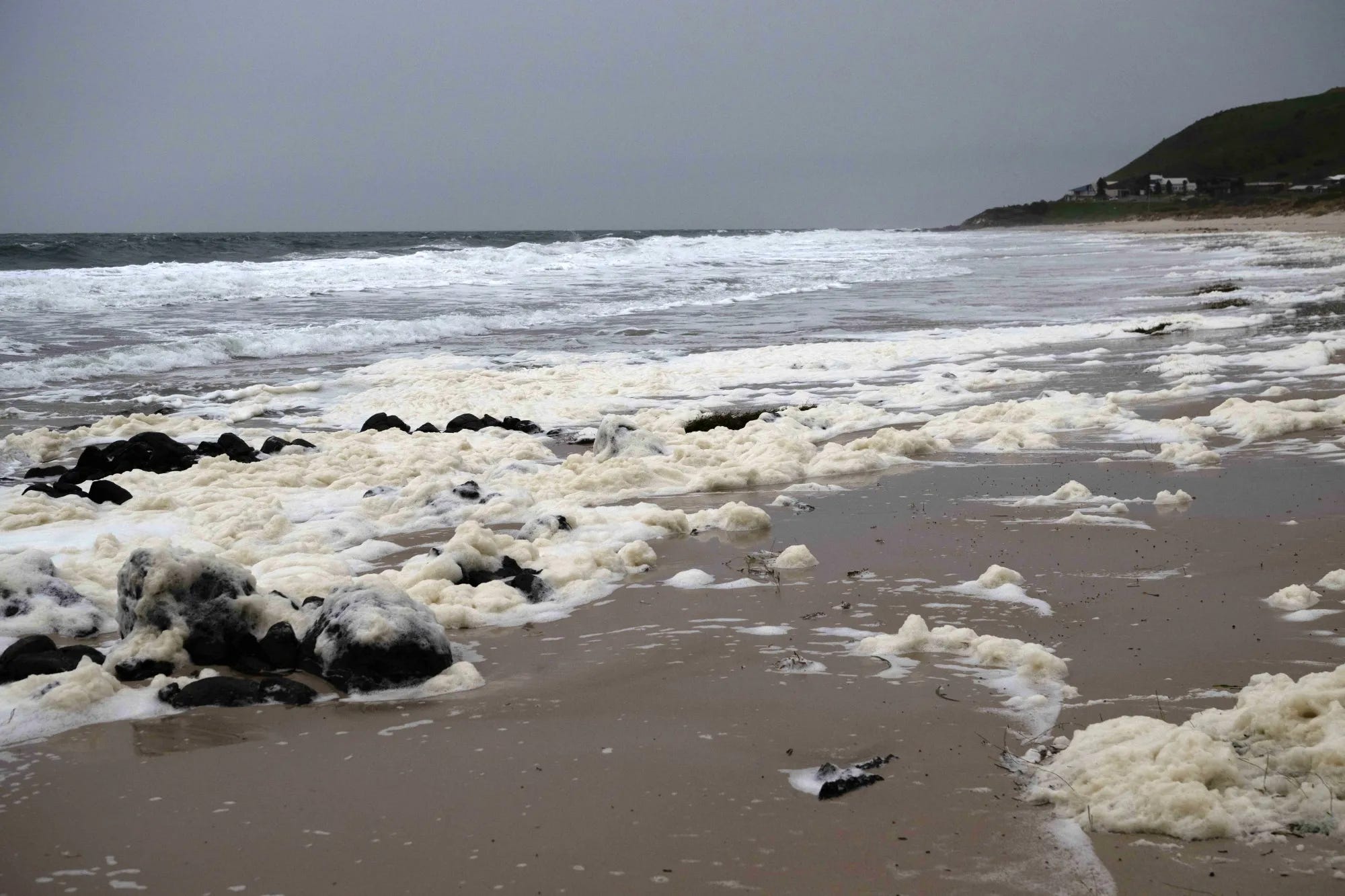
We discussed PFAS, microplastics, and algal blooms.
One ongoing algal bloom off the Australian coast, triggered by just a 1°C rise in water temperature, has devastated local fishing and tourism.
Think about it
My main takeaway from talking with Jess is that while technical solutions—desalination, recycling, smart planning—are essential, they aren’t enough.
We need to tell the story of water. If we don’t value water until the taps run dry or beaches are covered in foam, we will always act in crisis mode.
How can we make the “backstage” work of the water sector more visible to the people we serve?
Thanks for reading, watching, sharing and engaging.


