
Imagine 300,000 m³ of desalinated water leaving a facility operated by a private company every single day and being handed over to the end user at $0.60 per m³. That means a daily water bill of $180,000. Multiplied by 365 days and 25 years, it makes 1,6 billion revenue.
As you can imagine, every liter counts.
In large water and desalination projects, few topics generate as much recurring discussion — and confusion — as fiscal flow measurement.
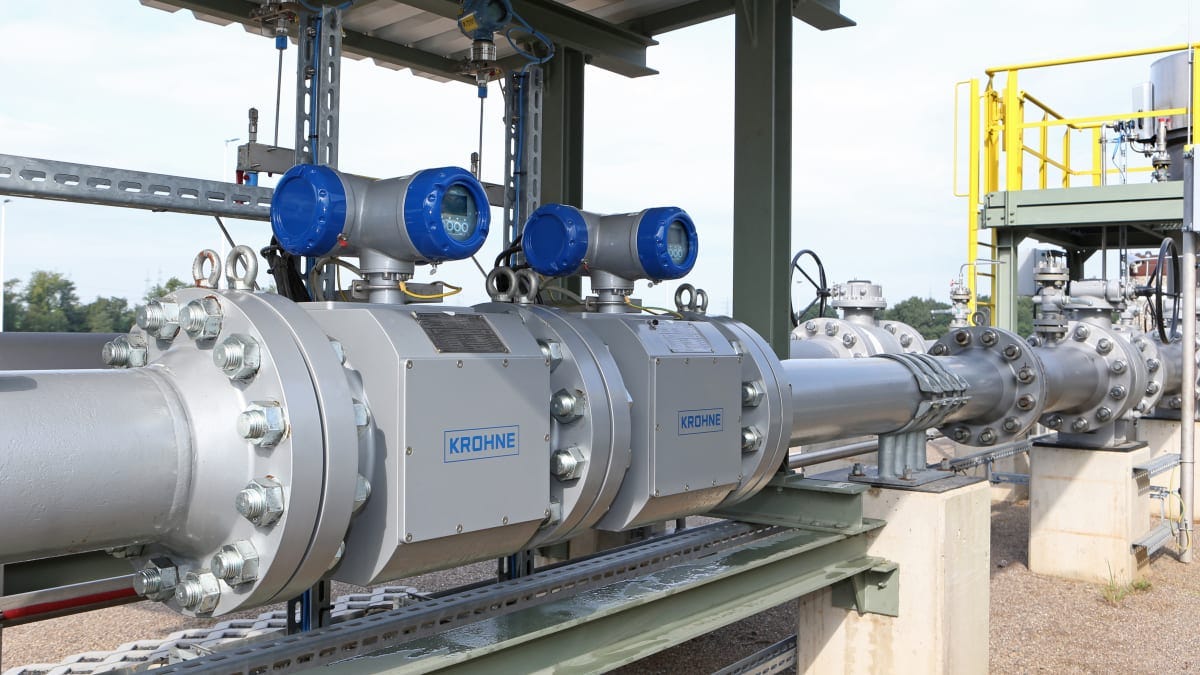
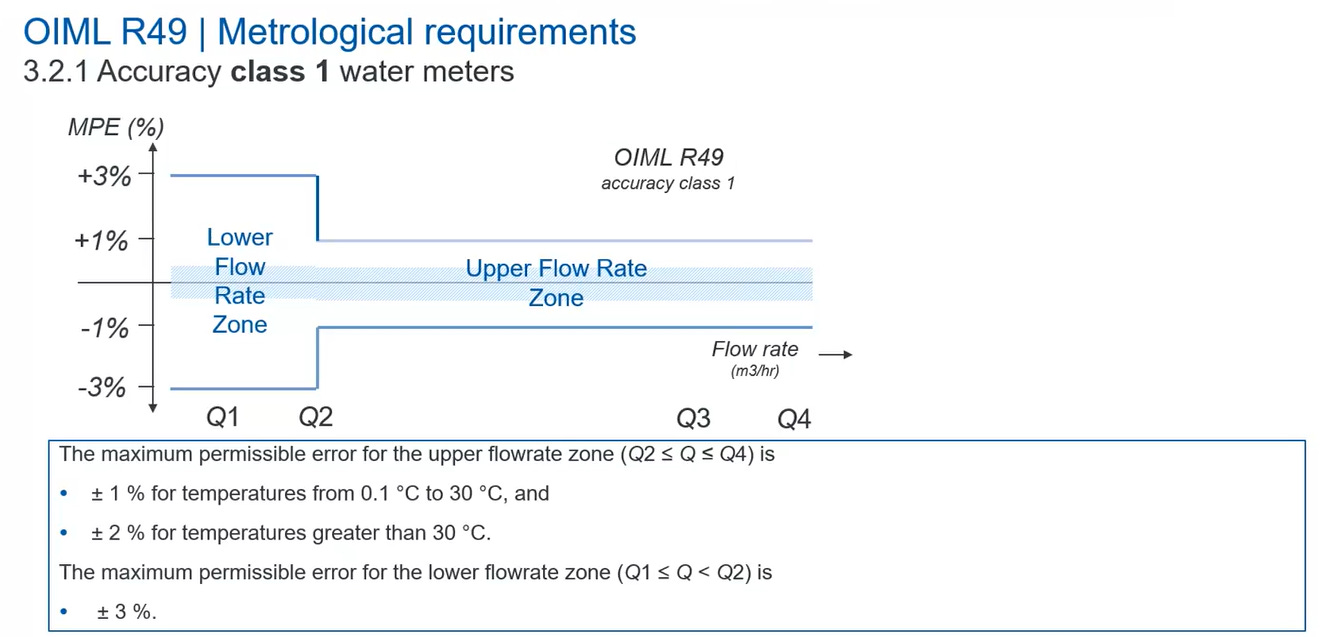
Specially because those flowmeters are usually required to have an accuracy of 0.2%, but then why is the calibration and certification typically fixed in the range of 1–3%?
A very typical question.
If you are a manager, I&C engineer, owner’s engineer, or anyone who may be involved in this type of discussion in the near future, remember that 80% of the people around the table have little or no real understanding of this topic, and it will take time to align everyone.
This is not an easy subject. It sits at the intersection of regulation, hydraulics, certification, and commercial risk.
What I’ve shared here reflects what I’ve learned since 2017 (many rounds of comment sheets with owner engineers and end users…), including insights from my episode with Krohne (spanish language), likely one of the very few manufacturers fully compliant with the standards required in large-scale projects.
Save this essay in your notebook. You may need it sooner than you think.


